
Adaptive Driving Technologies Worth Watching
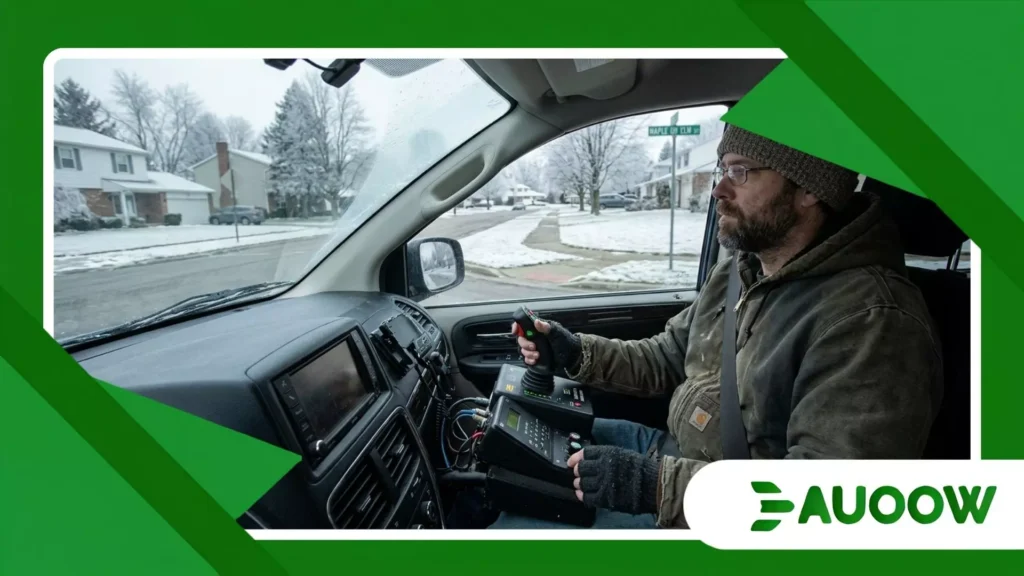
Adaptive driving technologies have transformed the simple act of turning an ignition key into a profound statement of personal autonomy for millions of drivers worldwide. Consider a cold Tuesday morning in suburban Ohio.
A driver sits in the captain’s chair of a modified minivan, adjusting a joystick that translates small hand gestures into precise steering, throttle, and braking inputs.
Thirty years ago, this level of everyday independence was out of reach for many.
The physical effort required to operate traditional mechanical hand controls often excluded people living with progressive neuromuscular conditions or limited upper-body strength.
Today, digital interfaces and custom mechanical aids are reshaping what it means to take the wheel on one’s own terms.
Below is an overview of how this evolution unfolds across human experience, engineering, policy, and daily mobility:
- The Evolution of Physical Independence: Moving from heavy mechanical levers to digital drive-by-wire solutions.
- Structural Barriers and Public Policy: How funding frameworks and insurance models shape real-world vehicle access.
- The Reality of High-Tech Adaptations: Balancing electronic reliability with human-centered ergonomics.
- Looking Ahead: The emerging bridge between vehicular modifications and autonomous mobility.
What Drives the Shift Toward Modern Vehicle Adaptations?
When we look closely at how transportation infrastructure developed, personal mobility was designed around a very narrow definition of physical capability.
For decades, standard automotive engineering assumed three fundamental inputs: two feet operating pedals and two hands controlling a steering wheel.
That structural assumption routinely forced anyone outside that physiological mold into the passenger seat.
What rarely enters the public debate about mobility access is that physical independence on the road is not merely a convenience; it serves as a critical economic engine.
Without reliable personal transportation, employment opportunities dwindle, medical care becomes harder to reach, and community participation contracts significantly.
Over the past decade, adaptive driving technologies have shifted from heavy, customized mechanical rigs to sleek, electronically integrated platforms.
Where drivers once relied solely on push-pull hand controls connected directly to pedals via physical rods, modern drive-by-wire solutions replace heavy physical resistance with responsive electronic sensors.
This transition allows individuals with lower muscle tone or subtle micro-movements to operate complex vehicles safely.
As a result, the open road has opened up to thousands of drivers who were previously told that driving might never be an option for them.
How Are Micro-Gestures Replacing Heavy Mechanical Controls?
The cockpit of a modern modified vehicle looks less like a traditional car and more like a tailored aviation suite.
The shift toward electronic control means that steering, accelerating, and braking no longer require massive force or leverage from the driver.
Drive-By-Wire Precision
Drive-by-wire systems remove the rigid mechanical connection between the driver’s interface and the vehicle’s actuators.
A small electronic joystick, requiring minimal force, can command a three-ton vehicle down a highway smoothly and accurately.
Sensors process the driver’s input hundreds of times per second, translating minute hand movements into predictable, fluid vehicle control across diverse road conditions.
Voice and Touch Secondary Controls
Secondary functions like turn signals, windshield wipers, horns, and climate settings historically required drivers to take a hand off the primary steering control.
Integrated touch panels, head-restraint switches, and localized voice recognition now allow drivers to manage these essential secondary tasks without compromising their focus or physical hold on steering and speed.
++ Why haptic navigation systems matter for independent mobility
Advanced Wheelchair Securement and Floor Lowering
Getting behind the wheel requires getting into the vehicle safely and comfortably.
Modern lowered-floor conversions, paired with automated ramp systems and electronic docking stations, permit drivers using wheelchairs to roll directly into the driver position.
Once in place, automated locking mechanisms secure the wheelchair directly to the chassis, verifying key safety parameters electronically before the ignition engages.
When observing these developments, a clear pattern emerges across engineering disciplines: accessibility improves for everyone when design focuses on minimizing physical friction.
Yet, these mechanical advances tell only part of the story. The physical machinery remains only as effective as the policies and regulatory frameworks that allow people to purchase, maintain, and rely on it.
Also read: Why facial recognition accessibility raises daily access concerns
Why Does Policy Still Lag Behind Engineering Progress?
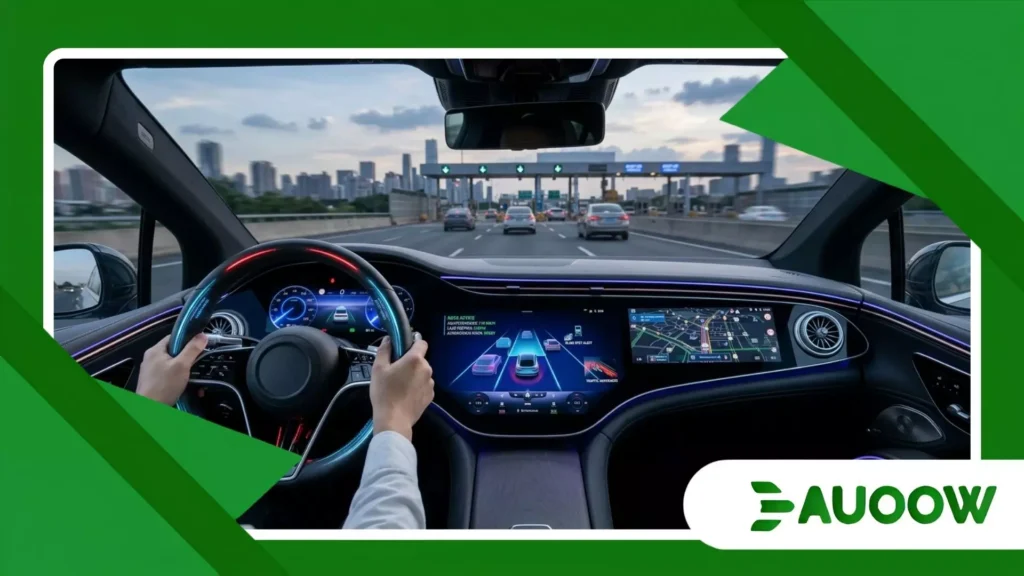
There is a structural reality that is routinely overlooked in discussions surrounding assistive mobility: high-tech vehicle modifications carry significant costs.
While a standard consumer vehicle represents a major purchase, the specialized modifications required for complete individual accessibility can easily double or triple that total investment.
Historically, post-World War II veterans’ programs laid the groundwork for mobility grants in North America and Western Europe.
Early mechanical hand controls were relatively simple, straightforward, and easily retrofitted into large domestic sedans.
However, today’s modern adaptive driving technologies fall into a complex space between medical equipment and motor vehicles.
Insurance providers frequently classify vehicle adaptations as specialized upgrades rather than essential independent living aids.
This leaves drivers navigating a frustrating maze of vocational rehabilitation grants, non-profit assistance, and personal out-of-pocket expenses.
When a public agency takes eight months to approve a funding request for a drive-by-wire retrofit, a working professional loses eight months of employment capability and social connection.
The technology exists to solve the physical challenge, yet public policy routinely stumbles on the financial architecture.
Read more: The rise of smart crosswalk accessibility in urban mobility plans
How Do These Systems Impact Real Lives Day to Day?
Consider a documented case from a municipal vocational rehabilitation program in the Midwest.
A mid-career accountant developed a progressive motor neuron condition that gradually reduced her leg power and hand strength over several years.
Decades ago, this diagnosis often meant an abrupt end to a daily commute, forcing a premature exit from the workforce or heavy reliance on often unreliable municipal paratransit services.
Through a multi-stage evaluation with a certified driver rehabilitation specialist, her vehicle was retrofitted with reduced-effort electronic steering, a left-foot accelerator option, and a secondary control keypad positioned comfortably near her elbow.
The adaptation did far more than keep her vehicle operational; it preserved her career, her financial independence, and her ability to participate actively in her community on her own schedule.
Real experiences like hers demonstrate that vehicle adaptation is never an optional luxury. It is a vital bridge connecting individual potential with full social participation.
What Has Actually Changed in Vehicle Accessibility?
To evaluate how far personal mobility engineering has come, it helps to examine the functional differences between traditional mechanical modifications and modern electronic interfaces.
| Mobility Metric | Traditional Mechanical Adaptations | Modern Electronic Adaptations |
| Physical Effort Required | High force needed for levers and push-pull rods | Micro-force input (joysticks, touch sensors) |
| Vehicle Compatibility | Limited to specific large body-on-frame models | Compatible with diverse electronic vehicle architectures |
| Driver Customization | Fixed mechanical ratios and physical placements | Software-programmable sensitivity, force, and dead zones |
| Secondary Function Control | Physical switches requiring hand removal from wheel | Voice activation, head-restraint switches, integrated panels |
| Transfer and Loading | Manual folding ramps and heavy manual transfers | Fully automated lowered floors and electronic docking |
| Financial Access Model | Out-of-pocket or basic veteran benefits | Complex mix of grants, rehab programs, and private capital |
Where Do We Go From Here?
The ongoing revolution in adaptive driving technologies is steadily converging with the broader automotive industry’s push toward electric platforms and automated driving features.
As car manufacturers increasingly integrate steer-by-wire and brake-by-wire hardware as standard factory equipment, the line between specialized accessible vehicles and mainstream consumer cars continues to blur in promising ways.
This technological convergence holds the genuine potential to lower customization costs significantly, making personal mobility far more attainable for drivers around the world.
However, technology alone cannot solve systemic inequality.
True progress requires that automotive designers, policymakers, insurance underwriters, and disability advocates work together to ensure that these engineering leaps are matched by equitable funding models and streamlined certification processes.
Real freedom on the road has never been purely about horsepower or sleek vehicle design.
It has always been about agency about who gets to decide when, where, and how a journey begins and ends.
By advocating for human-centered engineering, transparent policies, and robust financial support systems, society moves closer to a transportation ecosystem where physical difference no longer dictates the boundaries of a person’s independence.
Frequently Asked Questions
What are adaptive driving technologies?
They are specialized mechanical or electronic devices installed in vehicles to allow individuals with physical disabilities, chronic conditions, or reduced physical strength to operate cars safely and independently.
Examples include custom hand controls, drive-by-wire joysticks, lowered floors, and automated wheelchair docking systems.
How much do high-tech vehicle modifications typically cost?
Costs vary widely depending on individual physical requirements and vehicle types.
Basic mechanical hand controls may cost a few hundred to a few thousand dollars, whereas comprehensive drive-by-wire conversions featuring lowered floors and automated ramps can range from $30,000 to over $80,000 beyond the base price of the vehicle.
Does health insurance cover adaptive vehicle modifications?
Standard health insurance policies rarely cover vehicle adaptations, often classifying them as automotive modifications rather than durable medical equipment.
Funding typically involves a combination of state vocational rehabilitation programs, veterans’ assistance, non-profit grants, specialized financing, or manufacturer mobility rebate offers.
Who evaluates what driving technology a person needs?
A Certified Driver Rehabilitation Specialist (CDRS) conducts comprehensive evaluations.
They assess physical strength, range of motion, cognitive processing, vision, and reaction time to recommend the precise equipment setup required for safe, comfortable vehicle operation.
Can electric vehicles be modified with adaptive driving systems?
Yes. Many modern electric vehicles feature digital control architectures that align naturally with drive-by-wire technology.
However, because battery packs are frequently positioned beneath the vehicle floor, specialized engineering is often required when implementing lowered floors or ramp entry systems.
