
Disability Rights in Africa: Emerging Leaders in Inclusion
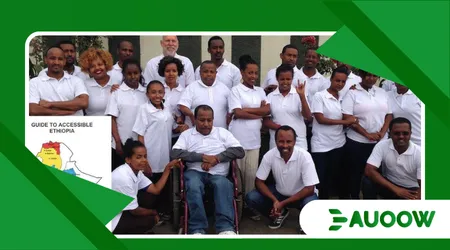
Disability Rights in Africa are rapidly moving from the periphery of policy debates to the core of national development agendas in 2025.
Across the continent, grassroots organizations and progressive governments are driving a powerful shift toward genuine inclusion and equitable public life.
This transformation is fueled by ratification of international treaties and, more critically, by the fierce advocacy of Persons with Disabilities (PWDs) themselves.
They are demanding recognition not just as beneficiaries, but as active contributors to society and the economy.
Why Is the African Context Critical for Disability Rights?
Africa has a disproportionately large population of PWDs, often marginalized by poverty, lack of infrastructure, and persistent stigma rooted in traditional beliefs. This creates unique and urgent policy challenges.
The struggle for Disability Rights in Africa is inseparable from the broader battles against poverty and for universal access to basic services like health and education. Systemic barriers must be dismantled.
++ Accessibility Policies in India: Progress and Pitfalls
How Does Poverty Exacerbate Marginalization?
In many African nations, disability is both a cause and a consequence of poverty.
Lack of access to healthcare and nutrition can lead to impairments, while disability severely limits educational and employment opportunities.
This economic vulnerability creates a cycle of exclusion. Effective rights policies must therefore incorporate strong economic empowerment initiatives to succeed.
Also read: Youth Disability Advocates: The Next Generation of Policy Leaders
What Role Does the African Union (AU) Play in Standardization?
The AU Agenda 2063 explicitly recognizes the need for inclusive development. Furthermore, the African Disability Protocol aims to strengthen legal protections across member states.
This unified approach encourages governments to harmonize national legislation with continental and global standards, creating a consistent legal floor for PWDs.
Read more: The Power of Litigation: How Individuals Changed Accessibility Laws
Ghana’s Accessible Digital Services Push
Ghana’s recent focus on digital accessibility demonstrates leadership. The government has prioritized making key public information portals and service applications fully compliant with Web Content Accessibility Guidelines (WCAG).
This ensures that citizens with visual or cognitive impairments can access vital government services online, fostering digital inclusion and equality.
Which Countries Are Leading the Way in Policy Innovation?
While challenges remain across the continent, certain nations have demonstrated clear political will and enacted groundbreaking legislation, setting a benchmark for Disability Rights in Africa.
These leaders often focus on shifting from a medical model of disability (fixing the person) to a social model (fixing the environment and society).
How is South Africa Advancing Employment Equity?
South Africa has some of the most comprehensive legislation, requiring both public and private sectors to meet specific employment equity targets for PWDs. This goes beyond non-discrimination.
This proactive approach aims to redress historical disadvantage and ensure proportional representation of PWDs in the formal economy and leadership roles.
What Makes Kenya’s National Council Unique?
Kenya established the National Council for Persons with Disabilities, funded partly through a disability levy. This dedicated body coordinates policy implementation and manages social safety nets.
This independent mechanism ensures sustained funding and dedicated institutional focus on disability issues, preventing them from being sidelined by competing political priorities.
Rwanda’s Barrier-Free Infrastructure Mandate
Following post-conflict reconstruction, Rwanda implemented strict building codes mandating universal design for all new public and commercial infrastructure, from ramps to accessible restrooms.
This comprehensive approach ensures that the nation rebuilds with inclusion as the default, not an afterthought. This commitment is visible in its rapidly modernizing cities.
What is the Importance of Political Representation?
Uganda is notable for guaranteeing seats in its Parliament specifically for representatives of Persons with Disabilities. This ensures that PWDs have a direct and powerful voice in legislative debate.
This guaranteed political inclusion is crucial. It moves PWDs from being merely the subject of policy to being the makers of policy, dramatically increasing accountability.
How Are Grassroots Movements Driving the Agenda?
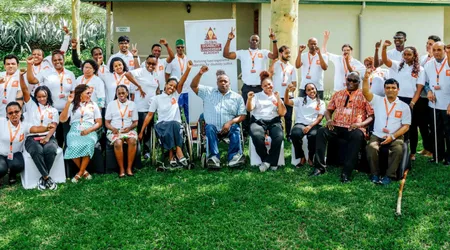
The most profound change for Disability Rights in Africa often comes from within the community itself. Organizations of Persons with Disabilities (OPDs) are the backbone of advocacy, legal challenge, and awareness creation.
They ensure that policies are designed based on the principle of “Nothing About Us Without Us,” reflecting the real-life needs and experiences of the community.
What Role Do OPDs Play in Legal Reform?
OPDs actively lobby governments, draft proposed legislation, and challenge discriminatory laws in court. They are critical in translating international conventions into domestic, enforceable law.
Their persistent, unified advocacy has been instrumental in the widespread ratification of the UN Convention on the Rights of Persons with Disabilities (CRPD) across the continent.
How Does Technology Enhance Disability Advocacy?
Digital platforms, accessible websites, and social media have empowered PWDs to connect, share experiences, and organize advocacy campaigns across national borders.
Technology bypasses some physical and infrastructural barriers, allowing PWDs to coordinate effectively and hold public officials accountable in real-time.
The Inclusion Mandate
The fight for Disability Rights in Africa is like building a highway system: governments traditionally built roads (basic services) but forgot the ramps (accessibility).
Grassroots organizations are now the engineers, forcing the retrofitting and demanding universal design from the start.
What Challenges Still Undermine Full Inclusion?
Despite significant progress, implementation remains uneven due to several pervasive challenges, including funding gaps, infrastructural deficits, and the persistence of harmful social attitudes.
Changing entrenched societal stigma requires sustained public education and visible representation in media and leadership roles across society.
Why is Rural Access a Persistent Problem?
While urban centers often show improvements in accessibility and services, rural and remote areas severely lag behind. Lack of accessible transportation makes basic services virtually unreachable for many PWDs.
Policies must include targeted, localized interventions and decentralized resource allocation to reach the most isolated populations effectively.
What is the Status of Educational Inclusion?
Many countries struggle to integrate PWDs fully into the mainstream education system. Lack of trained teachers, accessible learning materials, and inclusive curriculum remains a major barrier.
Achieving universal, inclusive education requires substantial investment in teacher training and specialized resources at the primary level.
According to the African Development Bank (AfDB) 2024 analysis, the average employment rate for PWDs across 15 surveyed sub-Saharan African nations remains below 20%, contrasting sharply with the general population employment rate, highlighting the severe economic gap that still needs addressing.
| Country | Key Policy Innovation | CRPD Ratification Year | Sector of Focus | Impact Model |
| South Africa | Employment Equity Act (Quotas) | 2007 | Employment & Economic Inclusion | Legislative Enforcement |
| Kenya | Disability Act and National Council | 2008 | Social Security & Policy Coordination | Dedicated Institutional Funding |
| Uganda | Guaranteed Parliamentary Seats | 2008 | Political Representation | Direct Policy Influence |
| Rwanda | Mandatory Universal Design Codes | 2008 | Infrastructure & Urban Planning | Post-Conflict Reconstruction |
Conclusion: The Path to True Equity
The advancement of Disability Rights in Africa is a powerful narrative of resilience, legal reform, and grassroots mobilization.
Leading nations demonstrate that political will, combined with dedicated institutional structures, can dismantle long-standing barriers.
The future of the continent’s development hinges on moving beyond mere charity to full equity, ensuring that one of Africa’s largest marginalized populations becomes its most powerful engine of social and economic growth.
What immediate steps can global partners take to better support African nations in realizing this vital human right? Share your ideas for true collaboration in the comments below!
Frequently Asked Questions
What is the UN Convention on the Rights of Persons with Disabilities (CRPD)?
The CRPD is an international treaty (ratified by most African nations) that defines the rights of PWDs and sets forth a code of implementation, emphasizing the human rights model of disability.
What is the difference between the medical and social models of disability?
The medical model views disability as a problem residing in the person that needs to be “fixed.” The social model views disability as a result of barriers in society and the environment that need to be removed.
What is “Universal Design”?
Universal Design is the concept of designing environments, products, and services to be usable by all people, to the greatest extent possible, without the need for adaptation or specialized design.
What is the biggest barrier to educational inclusion in Africa?
The lack of specialized training for teachers in mainstream schools and the absence of accessible learning materials (like Braille or sign language interpreters) are the biggest educational barriers.
What is the African Disability Protocol?
The African Disability Protocol is a regional instrument under the African Union (AU) intended to complement the CRPD by addressing specific, context-relevant issues facing PWDs in Africa, such as harmful traditional practices.
